


By the Ridgeside K9 Training Team — Updated October 2026
The dog’s been running for forty minutes. The ball’s been thrown so many times your shoulder’s tired. Your dog is panting, slowing down between retrieves, looking like they’ve finally hit their limit.
You head inside expecting a peaceful afternoon. Instead, the dog follows you into the kitchen, drops the ball at your feet, paces through the living room, grabs a toy, and starts barking because nobody’s entertaining them anymore.
You tell them to lie down. They do. For about twelve seconds. Then they’re up again, looking for the next thing to happen.
If your dog won’t settle after exercise, it’s tempting to assume they just have more energy to burn. Maybe the walk wasn’t long enough. Maybe fetch needs another twenty minutes. Maybe tomorrow you should try two workouts instead of one.
But what if the problem isn’t how much exercise the dog got? What if their body is tired, but they’ve never actually learned how to come down from excitement?
That distinction changes how you approach conditioning, play, obedience, and recovery.
A dog can be physically fatigued without being emotionally settled. High-intensity activity may satisfy the dog’s need to move while leaving them excited, frustrated, or fixated on continuing the activity. And if every attempt to calm the dog turns into another round of stimulation, the owner can accidentally build a dog who expects constant action.
The solution isn’t automatically less exercise. It’s teaching your dog what happens between activity and rest.
Quick Answer: When a dog won’t settle after exercise, the cause may involve over-arousal, insufficient recovery time, continued anticipation of play, unmet behavioral needs, or a lack of learned settling skills. Physical tiredness and emotional calm are not the same thing. A useful approach combines appropriate exercise, a gradual cooldown, access to water, lower-stimulation activities, and a familiar resting routine using a place cot, bed, or crate when the dog is comfortable with it. If restlessness is unusual, severe, accompanied by pain or abnormal breathing, or consistently worsening, veterinary evaluation is important before treating it as a training problem.
Table of Contents
- The difference between a tired dog and a settled dog
- Why some dogs become more restless after exercise
- Endless fetch can create a cycle you never intended
- When the dog won’t settle after exercise, check recovery first
- Build a real cooldown instead of stopping abruptly
- How to teach an off-switch without suppressing behavior
- Place command is useful, but place is not the same as relaxation
- How to use crate rest correctly
- Mental enrichment does not have to mean more excitement
- What a balanced activity-to-recovery routine looks like
- Stop rewarding the demand for another round
- High-drive dogs need recovery skills too
- Signs the problem may be physical rather than behavioral
- The seven-day recovery experiment
- How Ridgeside K9 approaches conditioning and recovery
The Difference Between a Tired Dog and a Settled Dog
Imagine finishing a workout that pushed you close to your physical limit. Your legs are tired. Your heart rate’s elevated. You’re still breathing hard. Someone immediately tells you to sit down, stop moving, and fall asleep. You might sit. You might even stay seated. That doesn’t mean you feel relaxed yet.
A dog can experience a similar mismatch between physical fatigue and their readiness to rest. During a high-intensity game, your dog may be concentrating on the ball, anticipating movement, responding to your cues, sprinting, turning, and prepping for the next repetition. When the activity stops, the physical effort ends. The dog’s expectations don’t necessarily end with it.
Physical fatigue describes the body’s workload
A physically tired dog may have worked their muscles and cardiovascular system enough to need rest. You might notice slower movement, reduced endurance, heavier breathing, or less enthusiasm for physical activity. Those observations tell you something about exertion. They don’t tell you everything about the dog’s emotional state.
In fact, VCA Animal Hospitals notes that overexertion can sometimes show up as irritability, excitability, difficulty lying down or getting up, changes in posture, and slower responses to familiar cues. That’s an important warning against assuming a restless dog simply needs another workout.
Emotional settling is a different skill
A settled dog isn’t merely stationary. They’re becoming comfortable with the fact that nothing else needs to happen. Their attention stops being locked onto the toy. Their body begins to relax. They might choose to lie on their side, adjust into a comfortable position, rest their head, or fall asleep. They’re not constantly monitoring the owner for the next opportunity to launch.
VCA’s veterinary behavior guidance distinguishes relaxation from merely holding a position. Its guide to teaching dogs to settle and remain calm emphasizes watching body language for genuine physical and emotional relaxation, not just stillness.
This is where a lot of owners need to adjust their expectations. Your dog may know down. They may know place. They may even be capable of impressive obedience duration. But can they actually relax when nobody’s entertaining them? That’s a separate part of training.
Why Some Dogs Become More Restless After Exercise
There’s no single explanation for every restless dog. Sometimes the workout was simply too exciting. Sometimes the dog’s anticipating more activity because that’s what usually happens. Sometimes the environment is still stimulating. Sometimes the dog hasn’t learned how to occupy themselves calmly. And sometimes the dog is uncomfortable or physically overworked. You have to look at the pattern.
The dog is still expecting the next repetition
Consider a dog who plays fetch every evening. The same sequence happens repeatedly. The owner picks up the ball. The dog runs. The dog returns. The owner throws again. The dog runs. The dog returns. The game continues until the owner finally puts the ball away.
Now the dog has a question: why did we stop? They bring the ball back. The owner says no. The dog drops it closer. The owner ignores them. The dog barks. Eventually the owner gets tired of listening and throws the ball one more time.
That final throw teaches a very specific lesson: persistence can restart the game. The dog may not need more exercise at all. They may have simply learned that demanding more activity works.
The workout itself may be keeping arousal high
Some dogs can switch between activity and rest naturally. Others struggle with that transition. A moderate walk with opportunities to sniff may leave one dog content. The same dog might spend twenty minutes chasing a flirt pole and come inside looking for something else to pursue.
Those two activities don’t ask the same things of the dog. They differ in intensity, speed, anticipation, frustration, and opportunities to disengage. Dogs Trust specifically recommends meeting dogs’ exercise and enrichment needs while also providing calming activities, predictable routines, and quiet places to rest. Its guidance on helping overexcited dogs settle is a useful resource for owners who are mistaking constant activity for effective recovery.
The environment never actually becomes quiet
Sometimes the exercise ends, but the stimulation doesn’t. You take the dog inside. The television’s loud. Kids are running through the living room. A second dog is playing. Someone keeps squeaking a toy. The dog’s watching through the front window.
Then the owner wonders why the dog’s still moving. Recovery gets harder when the dog hasn’t been given a reasonable opportunity to actually disengage. The right answer may be a quieter environment, not another command.
Endless Fetch Can Create a Cycle You Never Intended
Fetch is useful. It can build engagement, provide exercise, strengthen retrieving skills, and give dogs an enjoyable outlet. It can also become a problem when the entire game is just repeated sprinting and anticipation with no clear beginning, middle, or end. The issue isn’t that fetch is inherently bad. The issue is how it’s being played.
More throws don’t always produce a better outcome
Some owners measure a successful fetch session by how exhausted the dog looks afterward. The dog’s panting hard. Their legs are tired. They can barely keep up with the final throw. Mission accomplished.
But dogs with strong retrieving or chase motivation may keep participating even when the physical workload is already too high. Repeated games of fetch can put extra strain on your dog’s muscles and joints, especially when they involve sudden stops, sharp turns, and quick changes in direction. Keep fetch sessions short, allow regular breaks, and avoid pushing your dog to the point of exhaustion.
The ball becomes the center of every decision
A dog who’s constantly waiting for the next throw may have very little chance to practice disengagement. They stare at the ball. Follow the owner’s throwing arm. Track the toy. Prepare to sprint. Return immediately. Repeat.
The dog learns the game beautifully. They may not learn how to stop playing. That’s why fetch should have rules beyond retrieving. Teach the dog to release the toy when asked. Teach a clear start cue. Teach an end cue. Build short pauses before restarting. Reward the ability to disengage. Sometimes put the ball away while the dog’s still capable of thinking clearly.
Try changing the game instead of increasing the workload
If your dog struggles after fetch, experiment with making the session less repetitive. Use fewer throws. Build in calm pauses. Practice a brief heel between retrieves. Add a controlled release before the next repetition. Try a search-and-find activity that uses the dog’s nose instead of repeated high-speed pursuit. Choose surfaces appropriate for the dog. Watch for fatigue rather than waiting for the dog to quit.
A dog who loves fetch doesn’t need that enjoyment taken away. They may need help participating without escalating to the point where coming home becomes difficult.
When the Dog Won’t Settle After Exercise, Check Recovery First
Before adding more activity, look at what happens during the first period after the workout. That transition often tells you more than the workout itself.
Does the dog begin calming as soon as the activity changes, or do they keep pacing and demanding stimulation? Do they relax more when the toy disappears, or get more frustrated? Can they drink, recover their breathing, and choose a comfortable place to rest? Are they scanning the room for something to do? Do they seem uncomfortable when they try to lie down? These observations can help you decide what to change.
Watch the difference between excitement and discomfort
| What You Notice | What It May Suggest | What to Consider |
|---|---|---|
| Dog keeps bringing the ball and barking for more | Learned anticipation or demand behavior | Clear end cue, stop restarting the game, reward disengagement |
| Dog paces after intense play but relaxes following an easy walk | A difficult transition from high activity to low activity | Longer, gentler cooldown and more predictable recovery routine |
| Dog struggles only after crowded parks or busy outings | Environmental arousal, frustration, or stress | Reduce exposure intensity and provide a quieter recovery period |
| Dog stays on place but stares, whines, or repeatedly shifts forward | Stationary obedience without genuine relaxation | Lower the difficulty and train calm behavior separately |
| Dog appears stiff or has trouble lying down after exercise | Possible soreness, injury, or overexertion | Stop strenuous activity and contact your veterinarian |
| Dog pants excessively, seems weak, confused, or uncoordinated | Possible medical emergency, including heat-related illness | Seek urgent veterinary care |
| Dog settles after some activities but not others | Type or intensity of exercise may matter | Compare activity types and adjust the workout |
These are observations, not diagnoses. A dog can show similar behavior for different reasons. The goal is to become a more accurate observer, not to automatically decide every restless dog is over-aroused.
Build a Real Cooldown Instead of Stopping Abruptly
A useful cooldown begins before the workout is completely over. Picture a dog who’s sprinting after a toy, turning sharply, and returning at full speed. The owner throws one final ball. The dog races back. The owner immediately clips on the leash, marches to the car, drives home, and expects the dog to lie quietly in the living room.
There’s been no real transition. The dog went from intense activity to complete inactivity with very little in between.
Reduce intensity before ending the outing
A more thoughtful finish might start by switching from high-speed play to easier movement. Stop the retrieving game before the dog reaches exhaustion. Put the toy away. Continue with an easy walk at a comfortable pace. Let the dog move naturally. Allow appropriate sniffing. Give them a chance to eliminate. Then transition home.
After vigorous exercise, give your dog time to cool down by gradually reducing their activity level. Finish with a slow, relaxed walk to help their body transition from intense physical activity to rest instead of stopping suddenly.
Don’t rush breathing recovery
Panting after exercise is normal to a point. Dogs use panting as an important part of temperature regulation. Give the dog access to water, an appropriate environment, and time to recover. Don’t confuse every stretch of post-exercise panting with anxiety, and don’t demand a down-stay from a dog who may be overheated or physically uncomfortable.
If breathing appears abnormal, isn’t improving with rest, or comes with weakness, vomiting, collapse, or unusual behavior, seek veterinary attention promptly.
The cooldown should match the workload
There’s no universal number of minutes that makes every dog recovered. A short neighborhood walk may need very little transition. A vigorous training session may justify a longer, lower-intensity finish. A dog with orthopedic concerns or poor conditioning needs an individualized approach.
You’re looking for a gradual reduction in workload and a dog who’s physically recovering normally. Only then should the training focus shift toward quiet settling.
How to Teach an Off-Switch Without Suppressing Behavior
The term off-switch gets used constantly in dog training. It can also be misunderstood. An off-switch isn’t simply a command that makes a dog stop moving. It’s the learned ability to disengage from activity and get comfortable during periods when nothing exciting is happening. That takes practice outside the most intense moments of the day.
Start when the dog is already capable of relaxing
Don’t make your first off-switch lesson immediately after the most exciting game your dog’s ever played. Begin on an ordinary, relatively quiet afternoon. The dog’s had appropriate activity. Their physical needs are met. Nothing particularly interesting is happening.
Sit down near the dog’s bed or place cot. Reward calm, appropriate behavior at a level that doesn’t make the dog frantic for food. Give them time to find a comfortable position. Notice when they stop watching your hands or tracking every movement. You’re building value in quiet behavior here, not running another fast obedience drill.
Begin teaching your dog to settle in a quiet space with minimal distractions. Reward calm behaviors, such as lying comfortably, relaxing their body, or resting their head, then gradually introduce distractions as they become more comfortable.
Teach the beginning and the end
Your dog should understand when the activity has started. They should also understand when it’s finished. For fetch, that might mean a specific release cue and a clear end cue like “all done.” For structured obedience, you may use your normal release cue. For recovery time, you might send the dog to a designated resting area.
The wording matters less than consistency. If “all done” occasionally means the game’s over and occasionally means the owner will give in after three more barks, the cue loses its meaning.
Practice doing nothing together
Some dogs are skilled at working. They can heel, recall, retrieve, jump, search, tug, and perform commands. But they struggle when the human stops giving instructions. That’s a genuine training gap.
Sit on the patio with your dog. Spend a few minutes on a quiet bench after a walk. Have them rest near you while you read. Allow ordinary household movement without turning it into an invitation to play. Make these situations easy enough that the dog can succeed. Over time, quiet participation becomes familiar.
Place Command Is Useful, but Place Is Not the Same as Relaxation
The place command is an important household and real-world obedience skill. It creates a clear physical boundary. The dog knows where to go and understands they should remain there until released. That’s valuable.
But there’s an important distinction when it comes to post-exercise recovery. A dog can hold place while remaining mentally fixated on the toy across the room. They can lie down while watching your every movement. They can maintain the command while whining, trembling with anticipation, or waiting to spring up the moment they’re released. The position may be correct. The dog may not be relaxed.
Observe more than whether the dog stays
During recovery, look for softer body language. The dog adjusts into a comfortable position. They stop scanning the room. They can rest their head. They stop following the owner’s movements with intense attention. They appear comfortable rather than restrained by the expectation to stay stationary.
Those observations matter because the goal isn’t only stationary obedience. It’s recovery.
Use the place cot at the right point in the routine
Your dog may need to cool down, drink, and physically recover before you ask for extended place duration. Once they’re comfortable, place can provide a familiar transition into quiet time. For dogs who already understand the command, this can feel very natural. For dogs who are new to place, build the foundation separately.
Place command training at home can become useful during ordinary routines once dogs understand the boundary and the release. Post-exercise recovery is just another place to apply that foundation. Just remember, a dog holding the correct position isn’t proof that their body and mind have fully recovered.
How to Use Crate Rest Correctly
Crate rest can be extremely useful for active dogs. A familiar crate may give the dog a quiet environment where they’re not constantly watching the household or waiting to be entertained. For some dogs, entering the crate is already part of the routine that precedes a nap. That association can be genuinely helpful.
The crate should already be a comfortable place
Don’t introduce the crate for the first time right after a difficult workout and expect it to solve the problem. The dog should have a history of comfortable crate use. They should understand how to enter. They should be able to rest safely inside. The crate should provide appropriate ventilation, temperature, space, and access to water depending on the situation.
A dog who panics in confinement needs a different training plan entirely. Confinement is not automatically relaxation.
Rest is not a consequence for being excited
A dog who comes inside full of energy doesn’t need the crate presented as punishment. Think about the sequence: activity ends, cooldown happens, physical needs are met, the dog enters a familiar resting area, the environment becomes quieter.
That’s very different from wrestling an over-aroused dog into a crate because they’ve become inconvenient. The long-term goal is for the dog to understand the routine before conflict ever develops.
Not every dog needs a crate for recovery
Some dogs rest beautifully on a bed. Others prefer a quiet room. Some settle near their owners. A dog who’s safe and capable of relaxing without confinement doesn’t need to be crated just because a crate exists. Use the least intrusive arrangement that allows appropriate, comfortable rest.
Mental Enrichment Does Not Have to Mean More Excitement
When owners hear that a dog needs mental stimulation, they often respond by piling on more tasks. More obedience. More puzzle toys. More tug. More training games. More activity.
Mental enrichment is important, but not every enrichment activity creates the same experience. A fast-paced training session with rapid commands, exciting toy rewards, and constant movement is a different animal from letting a dog search for a few pieces of food in the grass. Both can be useful. They just serve different purposes.
Let the dog use their nose
Appropriate sniffing can give a dog a chance to explore without the same physical demands as repeated sprinting. After a more intense activity, a calm sniff walk may actually be a better transition than another high-energy game.
The important detail is the individual dog. Some dogs get very animated during certain search games. If an activity increases anticipation and frantic behavior, it may not be the best immediate recovery choice.
Learn which activities actually calm your dog
One dog may relax with a safe chew. Another may benefit from quietly searching for food. Another may do best with a short walk and then complete silence. Some dogs find licking activities helpful. Others get more excited whenever food toys appear.
There’s no requirement to use the latest puzzle toy or enrichment trend. Watch what happens afterward. Does the dog become softer and more comfortable, or do they finish the activity and immediately demand another one? The response tells you whether the activity actually fits the recovery goal.
What a Balanced Activity-to-Recovery Routine Looks Like
Imagine two versions of the same afternoon.
In the first, a high-drive dog runs after a ball until visibly exhausted. They come inside, get another toy because they’re restless, bark for attention, run through a few obedience commands, and eventually end up pacing around the living room.
In the second, the owner ends the game while the dog still has some control over their own behavior. The toy goes away. The dog spends several minutes moving at an easier pace. They get access to water. They return to a quieter environment. They settle on a familiar cot or resting area. The owner doesn’t restart the excitement every time the dog glances toward the toy cabinet. The total exercise may be similar. The experience that follows is completely different.
A practical five-stage recovery routine
- Finish the high-intensity work before exhaustion. Use the dog’s conditioning, weather, health, and observed behavior to decide when to stop.
- Transition to easier movement. A comfortable, slower walk can help create a more gradual end to the session.
- Meet physical needs. Offer water and a comfortable environment. Allow normal breathing and temperature recovery, and watch for signs of overexertion.
- Reduce stimulation. Put away high-value toys, move away from busy activity, and avoid immediately introducing another exciting game.
- Practice a familiar resting behavior. Use a place cot, comfortable bed, or crate when the dog is already conditioned to that setup and physically ready to rest.
This is a framework, not a rigid timetable. A young dog after light activity and a conditioned sporting dog after a demanding workout may need very different amounts of recovery.
Stop Rewarding the Demand for Another Round
Sometimes the problem isn’t recovery alone. It’s the pattern between dog and owner.
The dog brings the toy. The owner throws it. The dog barks. The owner throws it. The dog paws at the owner’s leg. The owner throws it again. Over time, the dog learns that initiating another round is just part of the game.
Set a predictable ending
Give the game a clear finish. Use the same end cue. Put the toy out of reach. Transition into another known part of the routine. Don’t keep announcing the game’s over while repeatedly picking the toy back up. Your consistency is what gives the cue its meaning.
Reward the alternative behavior
The dog walks away from the toy area. Good. They settle near you. Good. They choose their bed. Good. Calm behavior can get appropriate reinforcement without turning the resting period into another performance. The goal is for the dog to learn that stopping play doesn’t require a prolonged argument.
Frustration needs training, not a contest
Some dogs get increasingly frustrated when access to a favorite toy ends. If the dog barks, spins, grabs clothing, or escalates significantly, don’t assume ignoring everything will automatically solve the problem. You may need to rebuild how the game starts and finishes. Shorter play periods. Easier transitions. A clearer release and end cue. More reinforcement for disengagement.
A trainer can help figure out whether the problem is learned demand behavior, frustration, over-arousal, or something more serious.
High-Drive Dogs Need Recovery Skills Too
Working breeds, sporting dogs, and high-drive mixes often create a particular challenge. They may have enormous motivation to keep going. A dog can be physically tired and still eager to retrieve. They may hate ending tug. They may stay intensely focused on the handler. They may treat every movement as an invitation to work. That motivation can make them excellent training partners. It can also convince owners that the dog never needs to stop.
Drive should not decide the entire workload
A dog wanting another repetition doesn’t necessarily mean another repetition is appropriate. Owners still need to consider physical conditioning, temperature, footing, intensity, duration, age, and recovery. VCA specifically advises monitoring for fatigue during exercise and adjusting activity to the individual dog’s development and physical health. The dog’s enthusiasm is useful information. It’s not the only information.
Recovery should be trained with the same intention as performance
Owners often spend weeks improving the dog’s retrieving speed. They spend months strengthening heel, recall, or toy engagement. Then they put almost no time into teaching the dog how to rest. That creates an imbalance.
A working dog benefits from understanding when the job begins. They also benefit from knowing when the job ends. This isn’t about reducing motivation. It’s about making the dog more capable of functioning throughout the whole day.
A reliable off-switch improves the owner’s options
The dog can train. Then rest. Go on an outing. Then rest. Participate in household life. Then rest. The owner doesn’t have to choose between keeping the dog constantly entertained and waiting for them to collapse from exhaustion. Recovery becomes part of the dog’s skill set.
Signs the Problem May Be Physical Rather Than Behavioral
This section matters because not every dog who struggles after exercise is simply overstimulated. Pain, overexertion, heat-related illness, respiratory problems, and other medical conditions can affect a dog’s willingness or ability to settle.
Watch for changes that are unusual for your dog
A dog who normally lies down comfortably but suddenly avoids doing so deserves attention. So does a dog who appears stiff. Moves differently. Has trouble standing back up. Becomes unusually irritable. Lags behind on a familiar walk. Or seems exhausted after activity that would normally be easy.
VCA notes that difficulty lying down or getting up, along with changes in posture, may indicate overexertion requiring rest and veterinary assessment. Don’t try to solve those symptoms with more obedience.
Recognize urgent warning signs
Excessive or worsening panting that doesn’t improve appropriately with rest, collapse, marked weakness, vomiting, confusion, poor coordination, or difficulty breathing can all indicate a serious problem. These signs call for urgent veterinary attention. Heat-related emergencies can happen during active play, even when owners believe the dog’s simply enjoying themselves. A dog who appears physically distressed shouldn’t be asked to hold place or pushed through another training exercise.
Age and physical limitations change the plan
Puppies are developing. Senior dogs may have reduced mobility or underlying disease. Overweight dogs may be less conditioned. Dogs with respiratory limitations may struggle with intense activity. Dogs with orthopedic injuries need individualized exercise guidance.
A physically demanding game that’s appropriate for one dog may be excessive for another. When in doubt, involve your veterinarian before increasing intensity.
The Seven-Day Recovery Experiment
If your dog is healthy and the difficulty seems related to ordinary excitement and settling, try observing the routine more systematically for one week. The goal isn’t to produce a perfectly calm dog in seven days. It’s to identify which changes actually improve the transition from exercise to rest.
Days 1 and 2: Establish your baseline
Keep activity appropriate and familiar. Record what happens afterward. How long does the dog take to get comfortable? Do they pace? Bring toys? Demand attention? Choose to lie down? Does the environment stay busy? Don’t push the dog to exhaustion just to gather data.
Days 3 and 4: Change the ending
Keep the workout within normal, safe limits. Finish before the dog gets overly fatigued. Add a gentler physical cooldown. Put the toy away with a clear end cue. Provide a quieter resting area. Observe the difference.
Days 5 and 6: Add a practiced settling routine
After physical recovery, use a familiar place cot, bed, or comfortable crate routine. Keep expectations within the dog’s current training level. Reward appropriate quiet behavior. Don’t prolong the exercise just to hit an arbitrary number of minutes.
Day 7: Compare what changed
Ask yourself: did the dog settle more easily after a less intense workout? Did finishing fetch earlier help? Did the cooldown change their behavior? Did a quieter environment help? Did the dog get less demanding once the end of play was consistent? Was the biggest improvement related to the activity itself or what happened afterward?
That information can guide your next training decisions. If the dog’s behavior doesn’t improve, gets more intense, or raises concerns about discomfort or health, don’t just keep extending the experiment. Consult your veterinarian or an appropriately qualified behavior professional.
How Ridgeside K9 Approaches Conditioning and Recovery
It is important to balance physical development, mental work, and recovery. Owners should emphasize cardio, strength, mobility, and recovery rather than treating fitness as a competition to see how much activity a dog can tolerate. The challenge for a lot of owners comes after the physical work. The dog has learned how to move. Now they need to learn how to stop.
Obedience creates useful transitions
Ridgeside K9’s obedience training program focuses on recall, heel, place, impulse control, and the ability to use foundational skills in real-world environments. Those skills can support recovery by enabling the owner to communicate during transitions. The dog can disengage from a toy. Return when called. Walk calmly with the handler. Move to a designated place. Remain there until released.
Those are all useful behaviors. But the owner still needs to observe the dog’s physical and emotional condition. A reliable command doesn’t eliminate the need for actual rest.
The training plan should fit the individual dog
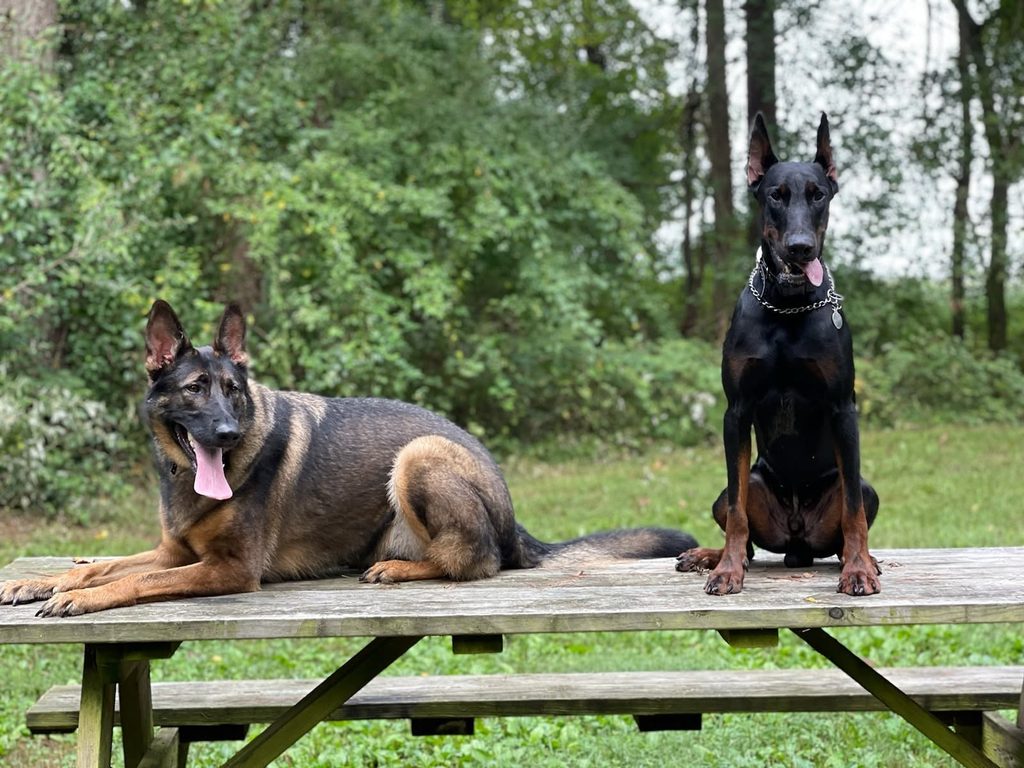
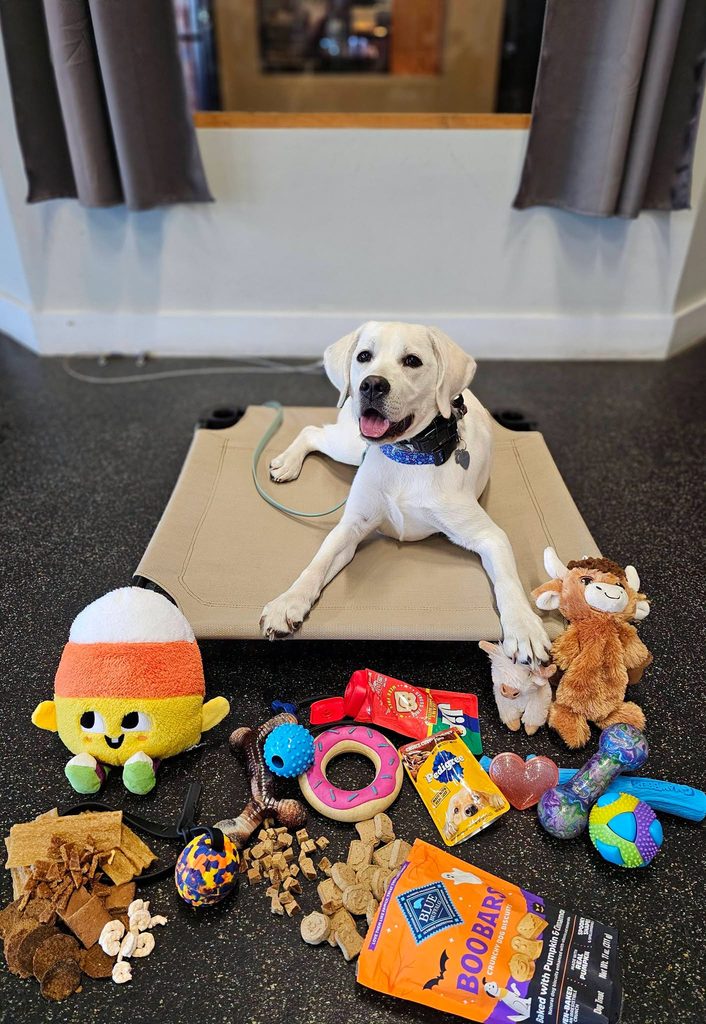
A young Labrador who gets frantic after fetch may need more structure around toy play. A working-line shepherd who stays highly engaged with the handler may need intentional periods when work is clearly finished. A dog whose walks involve constant reactivity may need less environmental pressure and a more carefully managed exercise plan. A dog who’s never learned to settle may need foundational place and crate work taught separately from vigorous exercise.
For dogs needing a more comprehensive obedience foundation, Ridgeside K9’s board and train programs address skills such as place, leash work, recall, livability, and environmental neutrality, along with owner instruction for maintaining those skills at home.
Owners have to recognize the difference between work and recovery
You can teach a dog impressive obedience and still end up with an exhausting household routine if every interaction turns into another assignment. Sometimes the right decision is to train. Sometimes it’s to exercise. Sometimes it’s to reduce stimulation. And sometimes it’s to leave a comfortable dog alone so they can rest.
Your Dog Does Not Need to Be Exhausted to Learn How to Rest
There’s a difference between a dog who has nothing left to give and a dog who knows how to relax. One’s reached a physical limit. The other’s learned a useful life skill.
You shouldn’t have to throw the ball until your arm hurts. You shouldn’t have to keep extending the walk because the dog’s still looking for something to do. And you shouldn’t have to choose between a dog who gets enough exercise and a dog who can live comfortably inside your home.
Physical conditioning matters. So does appropriate enrichment. So does obedience. But recovery deserves that same attention.
If your dog won’t settle after exercise, start looking at the entire routine rather than just the number of miles walked or balls thrown. How intense was the activity? When did it end? What happened next? Did your dog get a chance to cool down? Could they disengage? Were they physically comfortable? Did the household let them rest? What behavior has the owner actually been reinforcing during that transition?
Those answers are often more useful than simply planning a harder workout tomorrow.
A well-conditioned dog shouldn’t only be capable of activity. They should be supported in recovering from it. And a well-trained dog should understand that the day includes time to work, time to play, and time when nothing’s expected of them.
If your dog struggles with impulse control, place, crate routines, over-arousal, or settling after activity, contact the Ridgeside K9 team to discuss a training program that helps build clearer communication, better household manners, and more useful real-world obedience.